Heritage Mapping:
Citrus Funfair
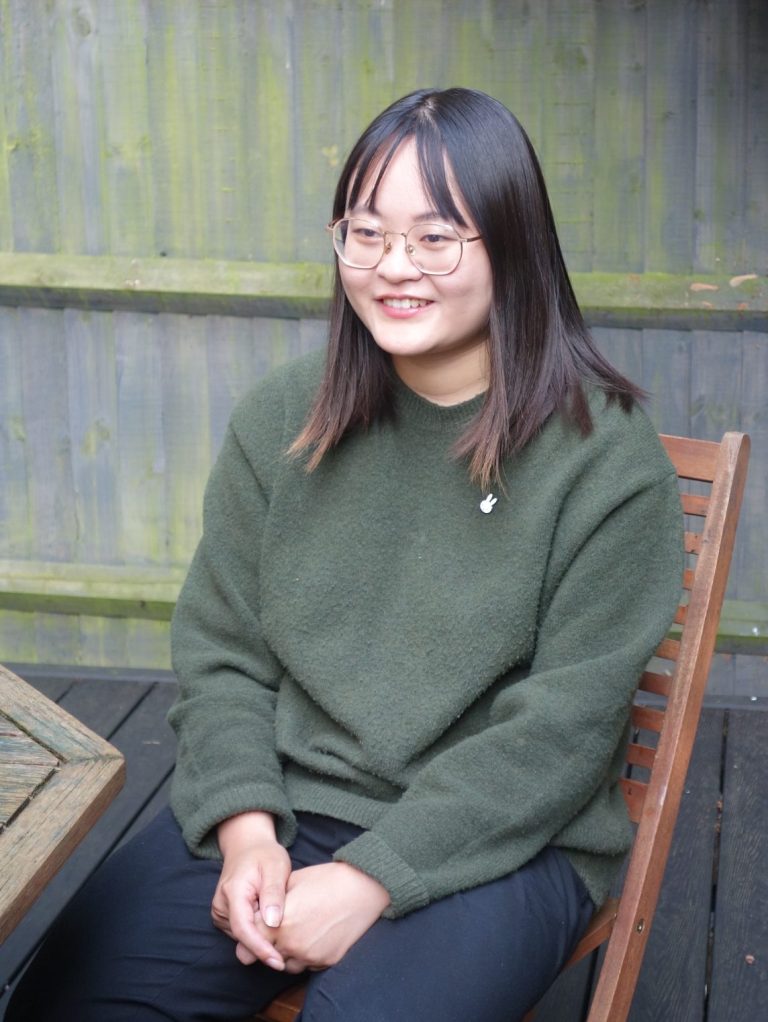
In Conversation with Quail Wang
Curated by Sylvia Liu
1. What are your top three comfort foods? Coffee, Citrus fruits, Duck neck
2. Describe your last meal before you left home? Lychee milk tea
3. If you were a flavour, what would you be? Citrusy
Quail Wang is a multidisciplinary designer, curator, and illustrator based between London and Nanjing. Her practice explores themes of microhistory, ecology, and local communities through a diverse range of media, including illustration, essay writing, and independent publishing. Rooted in research and narrative, Quail often employs the concept of ‘collage’ as both a visual and conceptual method — merging text and image to transform archival and fieldwork materials into accessible, artistic formats. Her work invites inclusive and critical engagement with both historical and contemporary stories, offering layered perspectives that speak to community and cultural identity.
Sylvia:
I want to start by discussing the work you plan to do next, if that's alright?
Quail:
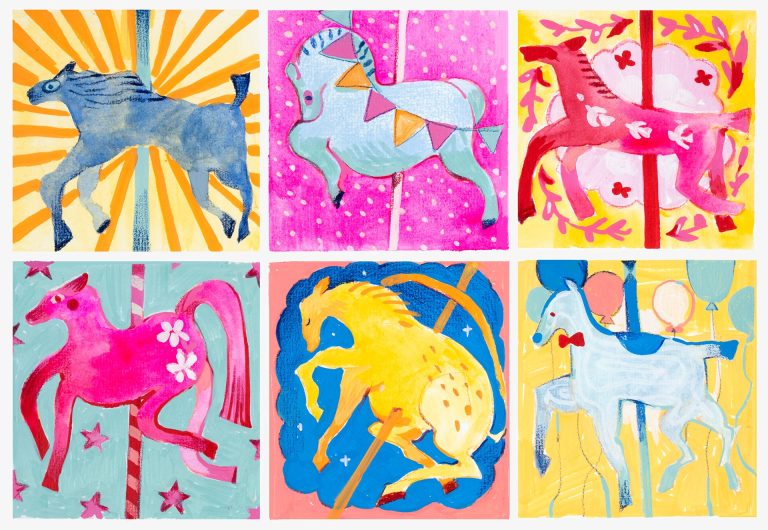
Sure. Although I've worked on various projects, from illustration to research, the common thread is that my work is inspired by my surroundings and recent experiences. My current idea originated from a conversation with the Pollock Toy Museum’s curator and their collection, which triggered memories from my childhood. Growing up in a touristy area filled with pop-up funfairs and festivals, these experiences shaped my curiosity in exploring this special field. Now, I'm exploring fairground culture in both the UK and China.
The early 20th-century funfairs in China didn't develop from traditional Chinese markets; they were modelled on the American or British funfair formats, following the western entertainment industry's pattern. When I arrived here in London, I found that the fairground here was connected to the childhood amusement I'd known. There's a fascinating circular flow like the carousel.
Sylvia:
So, it's like living in different places now; your immediate environment triggers memories that resonate with your home, and that leads you to want to explore those themes more deeply. Could you tell me more about your current research?
Quail:
The term "funfair" encompasses a variety of rides and attractions, with different favourites for each person. For me, the most memorable is the rocking horse ride, often a horse, spaceship, or small vehicle mounted on a metal frame that rocks you back and forth. I found the rocking horse has a deeper history than I expected: initially, it was a horse head fixed to a tree-trunk base known as a “hobby horse”, which children straddled and pedalled to imitate riding. Later, the pedals were removed and a curved wooden base was added, creating the classic rocking horse. With Britain's industrialisation, steam-powered machines evolved this into the classical carousel (‘merry-go-round’), now a funfair icon. It is a strong visual mark for funfair culture both in my hometown and here.
Sylvia:
Living in different environments inspires you to seek out things that resonate with you. Why do you think you do this? Is it a form of compensation? Or is it fulfilling an emotional need?
Quail:
It's mostly curiosity. Many people, when they move to a new place, may feel out of place due to differences in food, language, or culture, and that's totally common. But for me, it feels more like entering an unknown world in a game; I would not feel too anxious but instead, I'm eager to explore what's there. I want to discover what makes that place unique, including its history, local heritage, and the people who call it home. Through this exploration, I organically develop a connection with the community and the place itself.
Sylvia:
So it's less about actively searching for a sense of belonging?
Quail:
Exactly. I see it more as a way to play and discover new things. If you spend a lot of time somewhere but don't understand your surroundings, that's a missed opportunity.
Sylvia:
And you're not chasing a sense of belonging?
Quail:
I think everyone defines "belonging" differently. For some people having familiar friends nearby gives that feeling; for others, it's having family close. For me, as long as I understand a place well enough and have connections with some people there, whether it's family or friends, local residents, or community groups, that's enough. I feel a sense of belonging when I have people I can interact with locally. It's like knowing "there's always somewhere you can go".
Sylvia:
Do you hope your work sparks certain kinds of conversations, or do you see it mainly as an interesting record?
Quail:
Both, really. On the one hand, the topic itself is quite fascinating. Many people have been drawn to the carousel at funfairs, but they might not realise the deeper stories behind them. If my work makes people think "Oh, I didn't know about that", then I'd be really pleased. It's a nice feeling to help others appreciate something new.
Sylvia:
Your approach to belonging is quite different from others, and I find that fascinating!
Quail:
I think I'm a person who easily feels a sense of belonging. That might not be a bad thing! It's partly because we live in such a connected world, with advanced technology, that you can stay in touch with people across different places. Of course, some people feel no less isolated despite being surrounded by others, but personally, as long as someone speaks to me, I feel okay and happy.
Sylvia:
What are you moving through right now, in terms of personal, emotional, geographical, or creative aspects?
Quail:
A significant thing I'm currently going through is moving house. I've decided to move back to my hometown, Nanjing, in February next year. That's the biggest decision I'm currently facing.
Actually, when I first arrived, I had planned to return eventually. The UK has a thriving creative and cultural sector, which was my initial motivation for coming here, to understand the arts and culture industry. I wanted to learn how this sector develops here so I could bring those experiences back to my hometown and help cultivate local culture and arts. However, beyond that practical goal, I have a strong emotional attachment to Nanjing; it's where I grew up and spent some of the most important years of my life.
Recipe.
Citrus Funfair
Lemon Tonic Coffee & Orange Pudding Danish
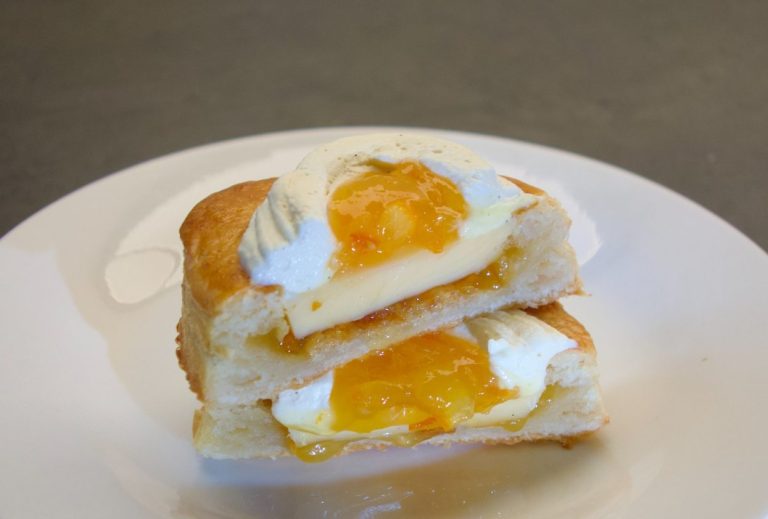
After living together as roommates for a year, the curator came to perceive Quail’s personality as a playful, giggly pudding, characterised by its delightful texture and the endless potential of flavours that jelly can embody. Drawing inspiration from Quail’s preferred comforting tastes, coffee and citrus, the curator crafted a pairing of drink and pastry to celebrate Quail’s creative spirit. Infused with unexpected flavour combinations and varied textures, each bite offers an unexpected sensory adventure.
Lemon Tonic Coffee
- A shot of espresso
- Sparking water
- 30 ml lemon juice
- 20 g sugar
- Ice cubes
1. Put the sugar in the cup, dissolve it with 2 Tbsp of hot water.
2. Pour in the lemon juice and ice cubes.
3. Slowly pour over the espresso, and top with sparkling water.
4. Garnish with a slice of lemon.
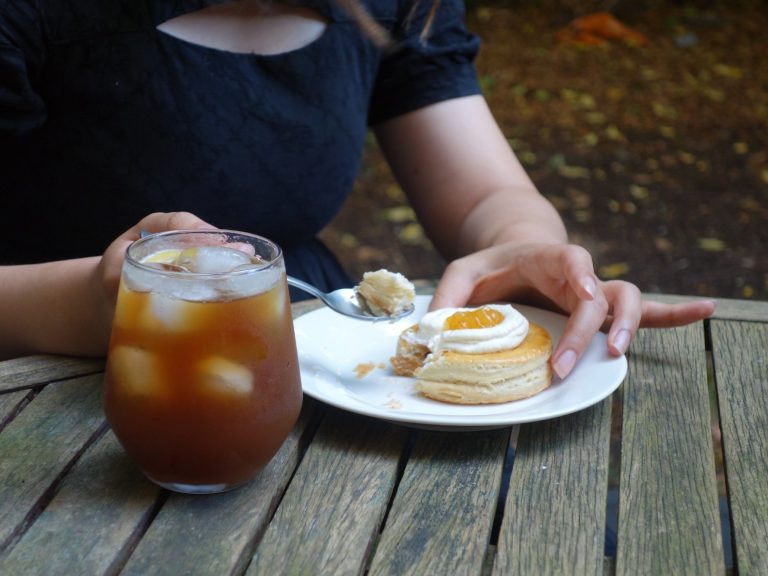
Orange Pudding Danish Pastry
For the pudding
- 125 ml milk
- 25 g double cream
- 15 g sweetened condensed milk
- 10 g sugar
- 2 egg yolks
- 4 g gelatin sheets
- 1/2 tsp vanilla extract
- Soak the gelatin sheets in cold water and set aside.
- In a saucepan, combine and heat milk, double cream, and sweetened condensed milk, until small bubbles form on the edges.
- In a separate bowl, combine the egg yolks and vanilla extract, and then pour in 1/3 of the milk mixture while whisking to temper the mixture. Pour the remaining milk mixture in, making a pudding mixture.
- Strain the gelatin sheets and add them to the pudding mixture until they are dissolved.
- Pass the mixture through a mesh sieve into a flat dish, chill in the refrigerator until it’s fully set. The pudding should be about 1.5cm thick.
For the pastry
- A sheet of store-bought puff pastry
- Egg wash (beaten egg with some milk)
- 60mm & 95mm cutting rings
1. Cut six circles using the 95mm cutting ring. Then, use the 60mm cutting ring to cut three of the circles in the middle, creating a doughnut shape.
2. Stack the circle-shaped pastry and the doughnut-shaped pastry on top of each other.
3. Brush on the egg wash and bake according to the package instructions. Let it cool completely before assembling.
Assemble
- Orange marmalade
- 50 ml double cream
- 1 tsp powder sugar
- 1/4 tsp vanilla extract
1. Whip the double cream with powdered sugar and vanilla extract until soft peaks.
2. Spread some orange marmalade on the hollow part of the baked pastry.
3. Cut the pudding with 60mm cutting ring and place it on top of the marmalade.
4. Pipe the whipped cream and marmalade on top for garnish.